Flat tires never happen at a convenient time. Whether you’re commuting on US-75, driving through McKinney, or heading out of town for the weekend, being unprepared can turn a small issue into a stressful situation.
Here’s a practical checklist of emergency tire tools every driver in North Texas should keep in their vehicle — plus simple tire maintenance tips from Hamm’s Tires to help prevent roadside emergencies.
Why Being Prepared Matters
A flat tire on a busy Texas highway is more than inconvenient. It can be dangerous.
Having the right tools on hand means:
- Less time stranded
- Reduced risk near traffic
- Fewer expensive tow bills
- More confidence behind the wheel
A quality emergency tire kit costs far less than one tow. Preparation is one of the smartest investments you can make as a driver.
If you ever need professional help, Hamm’s offers fast, reliable tire repair services for drivers across North Texas.
Emergency Tire Tools Every Driver Should Keep in Their Vehicle
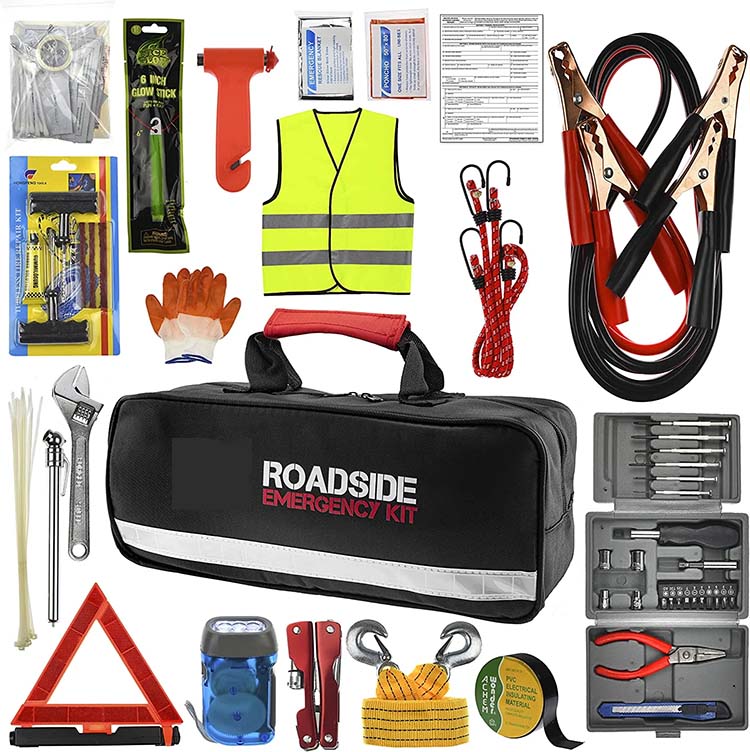
- Tire Pressure Gauge
Low tire pressure is one of the leading causes of blowouts and uneven wear.
Keep a digital or dial gauge in your glove box and check pressure at least once a month. Temperature swings in Texas can quickly affect PSI levels.
If you’re unsure what pressure your vehicle needs, stop by for a quick pressure check.
- Portable Air Compressor
A compact air compressor that plugs into your vehicle’s power outlet can help you inflate a low tire long enough to reach a shop safely.
This is one of the most practical tire tools for commuters and families.
- Tire Plug Kit (Temporary Fix Only)
A plug kit can temporarily seal small punctures from nails or screws.
However, plugs are not permanent repairs. Always have the tire inspected by professionals to ensure it is safe to drive.
Hamm’s provides professional flat tire repair to properly patch and inspect damaged tires.
- Quality Lug Wrench and Jack
The tools that come with most vehicles are minimal and often difficult to use.
Upgrading to a sturdy cross-style lug wrench and stable jack makes tire changes safer and easier.
If you are unsure how to change a tire safely, our team is happy to inspect your spare and equipment during your next visit.
- Reflective Warning Triangles or Road Flares
Your safety comes first.
Place reflective triangles behind your vehicle to alert oncoming traffic, especially at night or during storms.
- Gloves, Safety Vest, and Flashlight
Keep:
- Heavy-duty gloves
- A high-visibility vest
- A bright flashlight or headlamp
These simple items make roadside repairs much safer in low-light conditions.
Tire Maintenance Tips to Prevent Emergencies
The best emergency is the one you avoid.
Rotate Tires Every 5,000–7,000 Miles
Regular tire rotation service promotes even wear and extends tire life.
Rotations are a small cost compared to replacing tires prematurely.
Check Tread Depth
Use the penny test:
Insert a penny into the tread with Lincoln’s head facing down. If you can see the top of his head, it’s time to consider new tires.
Worn tread increases stopping distance, especially during wet Texas weather.
Schedule Regular Tire Inspections
Professional inspections can detect:
- Slow leaks
- Sidewall damage
- Alignment issues
- Uneven wear
Routine checks help you avoid unexpected breakdowns.
Be Ready Before You Need It
You do not need to be a mechanic to be prepared.
With the right emergency tire tools in your vehicle and a trusted local shop backing you up, you can drive with confidence.
If you need:
- Tire repair
- New tires
- Tire rotation
- Tire inspections
Contact Hamm’s Tires today or stop by our shop in North Texas. Our team is here to help keep you safe on the road.